Disconnected
The engine is not fully driving the rear wheel.

 MOTORCYCLE TRAINING · VICTORIASee dates ↗
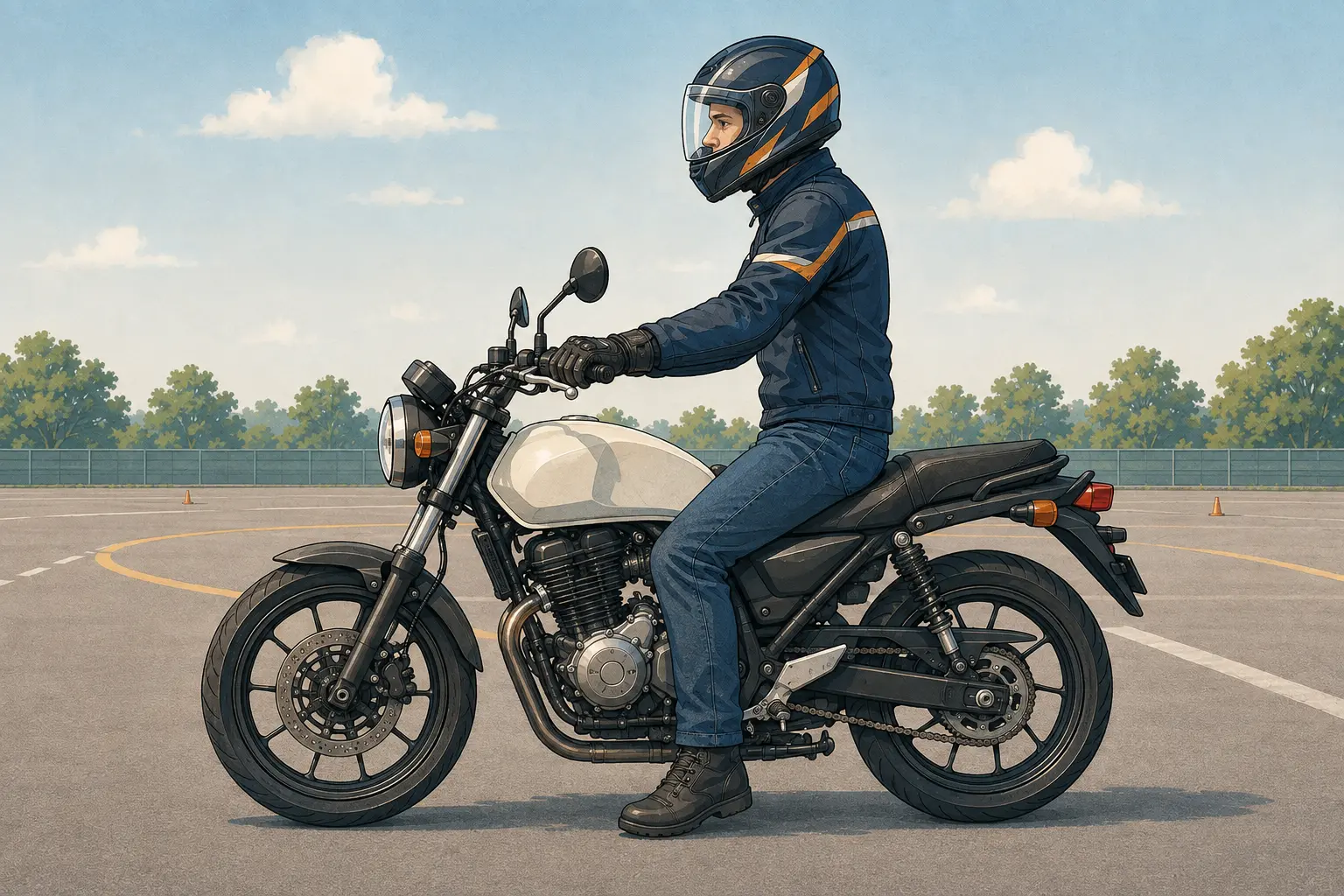
The friction zone is the secret to moving away smoothly. It is not a button or a single magic point - it is a small range you learn to recognize by sound, feel, and movement.
First, the simple definition
Squeezing the clutch separates spinning plates inside the engine. Releasing the lever presses them together. Between fully separated and fully connected, the plates touch and slip - that range is the friction zone.
The engine is not fully driving the rear wheel.
Power reaches the wheel gradually and controllably.
The clutch plates are pressed firmly together.
You have room to pause and control the motorcycle. The exact lever position is different on every bike.
Interactive clutch lab
Slide slowly from squeezed toward released. Notice that the useful zone occupies a band - not one exact spot.
The clutch plates are separated. The engine can run, but it is not yet pushing the motorcycle forward.
Use more than your eyes
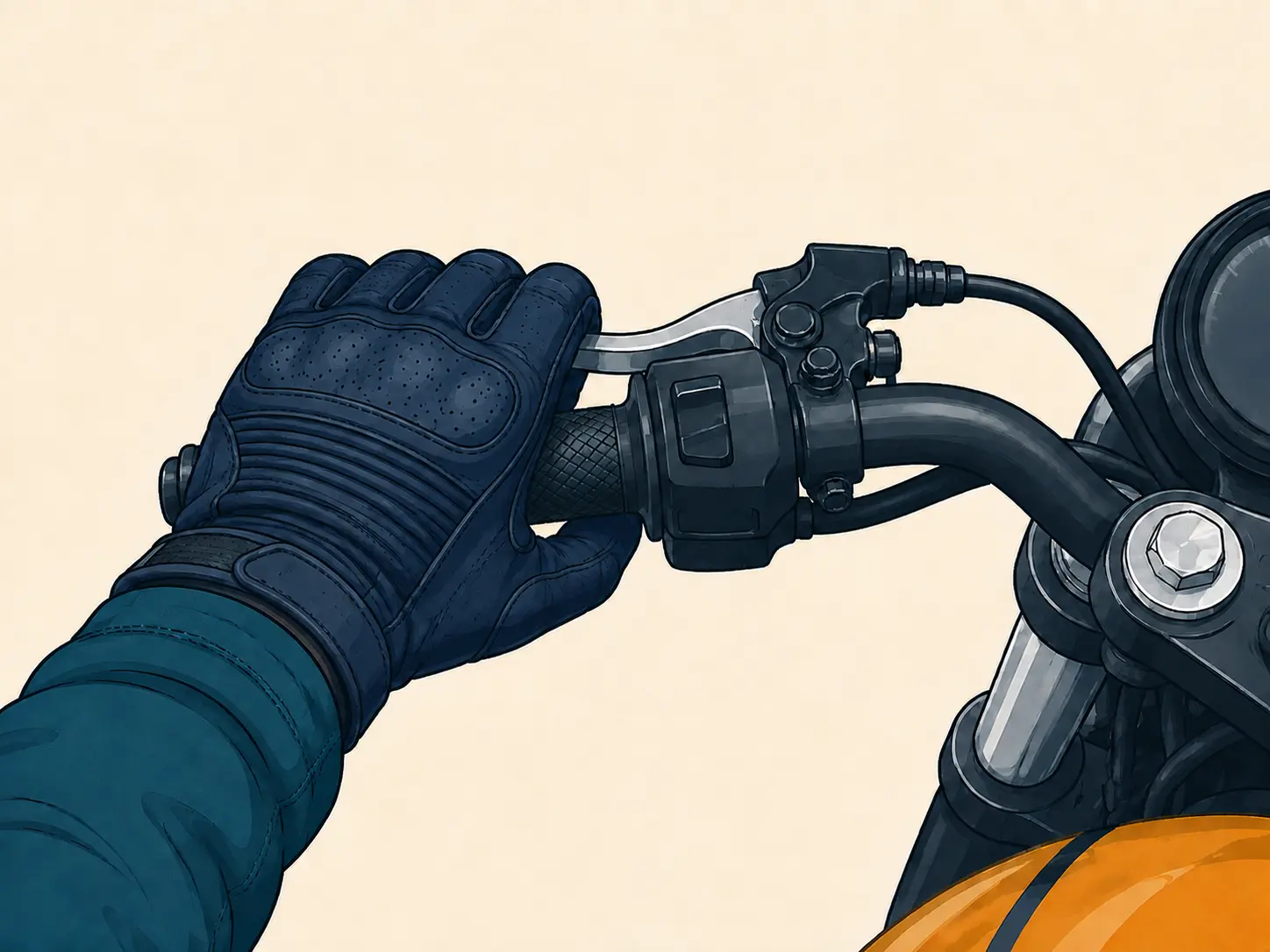
Do not stare at your fingers or try to memorize a lever position. Keep your head up and notice the clues the motorcycle gives you.
The sound may soften or dip slightly as the clutch begins to carry a load.
You feel a gentle tug through the motorcycle as the drivetrain begins to engage.
On level ground, the motorcycle may begin moving at walking pace.
Hold the lever steady for a moment instead of continuing straight through the zone.
One clear tug or the first gentle creep is enough. With repetition, the sound and feel become familiar.
The find-pause-reset drill
Your first goal is not distance. It is teaching your left hand to recognize the beginning of the friction zone and return to safety.
Pull the clutch fully in and press the shift lever down into first gear.
Keep the front wheel straight and choose a point in the clear space ahead.
Let the lever move away from the grip a few millimetres at a time.
When the engine note changes or the bike begins to creep, freeze your left hand briefly.
Pull the clutch fully in again, stop smoothly if needed, and repeat.
Many small training motorcycles can perform this first drill at idle. Some motorcycles need a small, steady amount of throttle. Follow your instructor and the owner's manual - do not race the engine to prevent a stall.
Turn the pause into motion
Once you can find the zone repeatedly, let the motorcycle gain a little balance and speed before finishing the clutch release.
At the start, let power reach the wheel progressively. Pause in the friction zone while the motorcycle begins to move.
If throttle is needed, use a small steady opening. Avoid chasing every change with a large twist of your wrist.
When the bike is rolling and balanced, release the clutch all the way. The friction zone helps you start and control very low speeds; it is not where the lever should remain during normal riding.
When the result feels wrong
Stalls and awkward starts are normal coordination feedback - not proof that you cannot ride.
You probably moved through the friction zone too quickly, or the motorcycle needed a little more steady throttle. Squeeze the clutch, reset, and make the next release slower.
The lever likely continued past the friction zone before the motorcycle had begun rolling. Next time, pause as soon as you feel the first pull.
There may be too much throttle while the clutch is still mostly squeezed. Calm the throttle, reset the clutch, and build the two inputs progressively.
The lever position is less useful than the motorcycle's response. Keep your head up, look into the clear path, and let sound and feel guide your left hand.
No. Brief, purposeful use is normal, but excessive engine speed or unnecessary slipping creates heat and wear. Once the bike is moving normally, release the clutch fully.
Three-question check
Tap an answer. We will explain the reason immediately.
The page makes the idea clear. A patient coach helps your hands make it repeatable.